
Smart Ways Window Blinds Make Your Home More Comfortable Year-Round
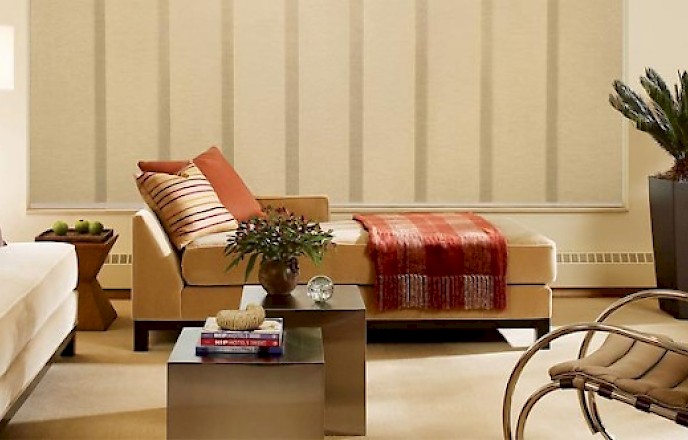
Most window blinds get chosen for one reason: they look good. What they do for the comfort, privacy, and energy efficiency of your home tends to be an afterthought, and that's exactly where most people miss out. As someone who has spent years helping homeowners find the right window treatments, I can tell you that a well-chosen blind does far more than dress up a window. It changes how a room feels to live in every single day.
The right window blinds quietly handle things you deal with constantly but rarely connect back to your windows. Heat building up in the afternoon, glare making the TV unwatchable, a bedroom that never gets dark enough for a good night's sleep, and energy bills that creep up through the warmer months are all problems that the right blinds address without you having to think about them. The right choice for each room in your home is one of the most practical upgrades you can make to your living environment.
Window blinds address more aspects of home comfort than most people realize, and here's what that looks like across every room in your home:
- Heat control
- Light management
- Enhanced privacy
- Energy efficiency
- Glare reduction
- Better sleep
- Humidity and moisture control
- Aesthetic comfort
Keep reading to find out how each of these makes a difference in the way your home feels day to day.
Heat Control
If your home heats up faster than your air conditioning can keep up with, your windows are almost certainly part of the problem. Solar heat coming through uncovered or poorly covered windows builds up quickly, and by mid-afternoon, some rooms can feel several degrees warmer than the rest of the house. Cellular and solar shades are particularly effective at blocking heat before it even enters the room, but even standard horizontal blinds closed at the right angle make a noticeable difference. The right blind for the right window gives you real control over how much heat you're letting in throughout the day.
Timing matters just as much as what you put on the window. Closing your blinds on south and west-facing windows before the afternoon sun hits directly is one of the simplest things you can do to keep a room from overheating. Layering a solar or blackout blind with a sheer gives you the flexibility to adjust as the day goes on without sacrificing light entirely. A room that stays naturally cooler puts less demand on your air conditioning, and you'll feel that difference without having to do much at all.
Most people don't connect their window blinds to their indoor temperature until they make a change and feel the difference for themselves. What consistently surprises me is how much of a shift the right blind creates in a room's temperature without touching the thermostat. A few degrees cooler in the right room at the right time of day makes a bigger difference to how your home feels than most people expect.
Light Management
Natural light is one of the best things about a sun-filled home, but too much of it at the wrong time of day can make a room feel harsh, washed out, and uncomfortable to spend time in. The difference between a room that feels warm and inviting and one that feels glaring and overexposed often comes down to how well the light is being managed. Window blinds give you precise, adjustable control over how much light enters a room and from which direction. Few window treatments come close to matching that level of flexibility throughout the day.
Horizontal blinds are particularly effective because the angle of the slats can be adjusted to direct light toward the ceiling rather than straight into the room, softening the effect without blocking it entirely. Sheer roller blinds diffuse incoming light beautifully in living areas and dining rooms where you want brightness without glare. In rooms that face east or west, a layered approach with a solar blind and a sheer gives you the most flexibility. Small adjustments throughout the day keep every room feeling comfortable from morning to evening without making things feel dark or closed off.
Light management also affects how your colors, furniture, and finishes look. Too much direct sunlight can wash out paint colors, fade fabrics, and make a carefully designed room look flat and overlit. The right window blinds filter and diffuse light in a way that brings out the warmth and depth of your interior rather than overpowering it. Rooms that are well lit feel better to be in, and the right blinds are what make that possible without sacrificing natural light entirely.
Enhanced Privacy
Feeling comfortable in your own home is hard when you're constantly aware of who might be looking in. Sheer curtains let in light but offer very little protection from outside view, and bare windows after dark turn your home into a fishbowl for anyone walking by. The right window blinds give you control over who can see into your home at any time of day without making your rooms feel closed off or dark. Most homeowners don't realize how much that balance between light and privacy affects their daily comfort until they finally have it.
Top-down bottom-up blinds are one of the most practical solutions for rooms where you want natural light from above without sacrificing privacy at eye level. A bathroom or street-facing living room window is exactly the kind of situation where that flexibility makes a real difference in how comfortable the space feels to use. Solar shades let you see out while making it difficult for anyone outside to see in during the day, which is ideal for rooms that face a busy street or a neighbor's property. For rooms where outside visibility is a constant concern, having that kind of one-way transparency changes how freely you move around and use your space.
Privacy needs shift between day and night, and the right blind for each room accounts for both. During the day, a solar or light-filtering blind gives you privacy without darkness. After dark, when interior lights make you visible from outside, a blackout or room-darkening option closes that gap completely. The right blind for each room means you're never choosing between comfort and privacy.
Glare Reduction
Glare has a way of turning a room you love into one you avoid at certain times of day. A television that's unwatchable in the afternoon, a home office where you're constantly repositioning your screen, and a breakfast table that's too bright to sit at comfortably are all versions of the same problem. It's one of those daily frustrations that's easy to adapt to without realizing how much it's affecting your comfort. Window blinds give you precise, adjustable control over incoming light that no other window treatment comes close to matching.
Solar shades are particularly well-suited for glare reduction because they filter incoming light without blocking your view or making the room feel dark. In a home office or living area where screens are in use throughout the day, a solar shade on a south or west-facing window eliminates the need to constantly adjust your position or close the blinds entirely. Horizontal blinds with adjustable slats give you a different kind of control, letting you direct light toward the ceiling rather than straight into the room. Used together, these options let you manage glare on your terms without sacrificing the openness of your space.
Glare reduction also protects your furniture, flooring, and artwork from UV damage that fades and discolors surfaces over time. Filtering direct sunlight doesn't just make your home more comfortable, it preserves the interior you've invested in. Comfort and protection aren't usually things you get from the same upgrade, but window blinds that filter both glare and UV light deliver exactly that.
Better Sleep
Your sleep quality is directly tied to how dark your bedroom gets at night and how much light creeps in before you're ready to wake up. Street lights, early morning sun, and the glow from neighboring properties all disrupt sleep cycles in ways you might not connect back to your windows. A bedroom that's too bright, even slightly, makes it harder to fall asleep, stay asleep, and wake up feeling rested. Addressing it starts with what's covering your bedroom window.
Blackout blinds block nearly all incoming light regardless of the time of day or what's happening outside, making them the go-to choice for bedrooms where sleep quality is a priority. Young children and infants are particularly sensitive to light disruption, which is why nurseries and kids' rooms benefit most from a proper blackout solution. Not everyone wants complete darkness though, and light-filtering blinds offer a gentler alternative that lets some natural light in without the harsh brightness of an uncovered window. Having both options available in the same room gives you full control over the light environment depending on the time of day and who's sleeping.
Better sleep affects your mood, focus, and energy levels throughout the entire day, not just how rested you feel in the morning. A bedroom with proper light control is one of the simplest and most overlooked upgrades you can make to your overall wellbeing. What goes on your windows at night matters more than most people give it credit for.
Humidity and Moisture Control
Not every room in your home puts window treatments through the same conditions, and bathrooms and kitchens are in a category of their own. Steam, condensation, and humidity levels that spike and drop throughout the day take a real toll on materials that weren't designed to handle them. Fabric blinds absorb moisture, which leads to mold, mildew, and deterioration that shows up faster than you'd expect. Selecting a blind material suited to those conditions from the start saves you from replacing window treatments far sooner than you should have to.
Faux wood, aluminum, and PVC blinds are the most practical choices for high-humidity spaces because they're completely impervious to moisture and easy to wipe down after exposure to steam or splashing water. Unlike natural wood or fabric, these materials won't warp, swell, or discolor when humidity levels rise. Roller shades made from moisture-resistant fabrics are another strong option if you want a softer look without sacrificing durability. Each of these holds up far better in a wet environment than standard fabric or wood alternatives.
Moisture damage in these rooms rarely stays contained to the blinds themselves. Condensation that builds up on windows and window frames can cause paint to peel, wood to swell, and mold to develop in ways that spread well beyond the window. A moisture-resistant blind that's easy to keep clean and dry contributes to a healthier home environment in the rooms that see the most daily use. Treating your bathroom and kitchen windows as seriously as the rest of your home's moisture management is what keeps small problems from becoming expensive ones.
Aesthetic Comfort
Comfort isn't always about temperature, light, or privacy. How a room looks and feels to spend time in has a real impact on your sense of ease and relaxation at home, and window treatments play a bigger role in that than most people give them credit for. A room with bare or mismatched windows feels unfinished regardless of how well everything else is put together. The blinds you choose are one of the most visible design elements in any room, and getting them right pulls the whole space together in a way that's hard to articulate but immediately felt.
Window blinds come in a wide enough range of materials, colors, and styles to complement virtually any interior design direction. Clean, neutral roller shades work seamlessly in contemporary spaces, while woven wood blinds bring warmth and texture to rooms with natural materials and earthy tones. Horizontal blinds in a finish that matches your trim or cabinetry create a cohesive, intentional look that makes a room feel considered rather than assembled. Layering blinds with curtains or drapes adds depth and softness that makes a space feel more complete and comfortable to be in.
Aesthetic comfort is subtle, but its impact on how much you enjoy being in a room is real. From my perspective, the homes that feel the most comfortable are almost always the ones where the window treatments were chosen with as much intention as the furniture and finishes. A room that feels pulled together is one you naturally want to spend more time in.
Conclusion
Your windows shape how your home feels to live in more than almost any other element, and what's covering them either supports that or works against it. Heat, light, privacy, sleep, energy costs, and the overall atmosphere of a room are all connected to the blinds you choose, and getting those choices right for each room makes a cumulative difference that's hard to overstate. A home that's comfortable year-round doesn't happen by accident. It happens when every room has window treatments that were chosen with its specific needs in mind.